Mechanical
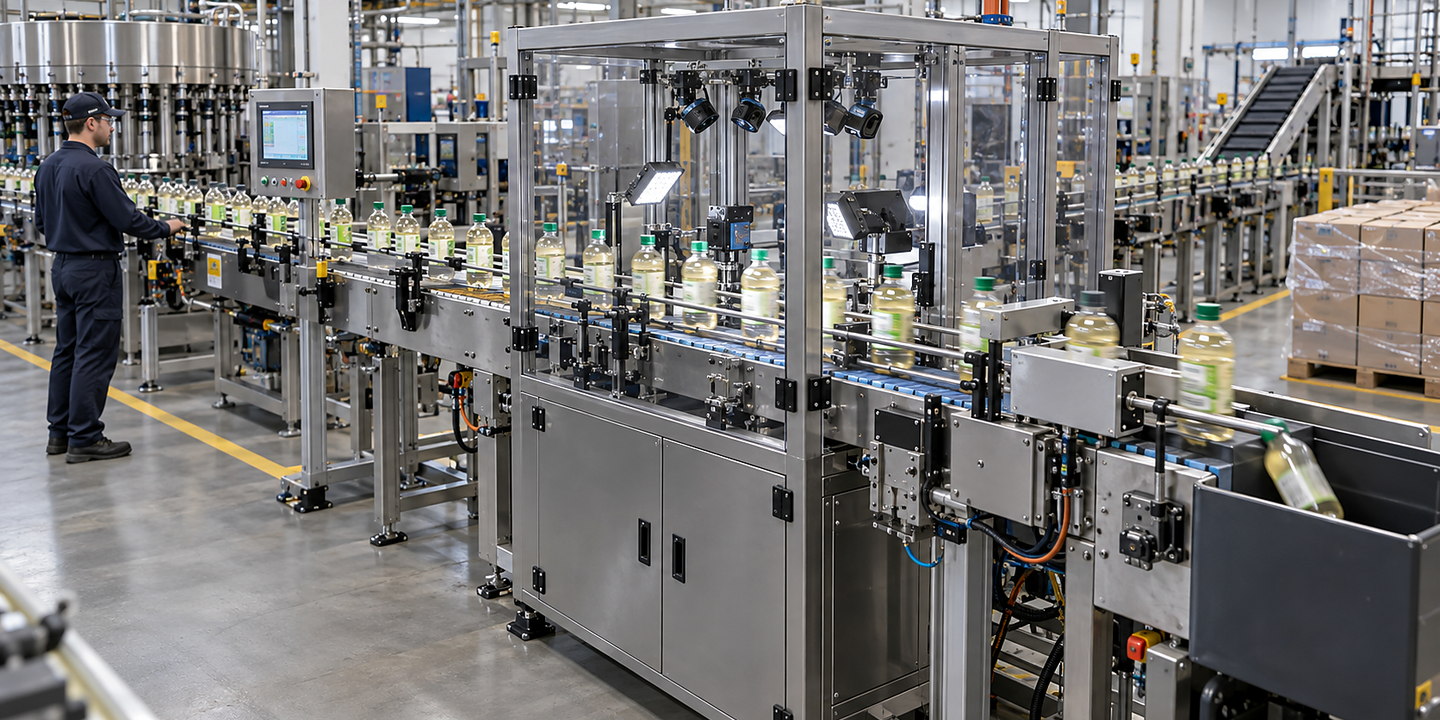
Define the product/web path, datum presentation, viewing position, camera/lighting mounting and access for the agreed setup. Include permitted position/rotation, movement and vibration rather than a single ideal presentation.
Define print-registration interfaces for presentation, capture, tracking, recipes, measurement records and action on affected products or web sections.
Define the handovers between material presentation, image capture, the registration decision and the action on the affected product or web section. Assign trigger/tracking responsibility, recipe selection, out-of-limit and unavailable-result responses, and controlled restart.
Use the print-registration operating sequence to agree identifiers, result/image records and responsibility for changed artwork, datum or presentation. The trial must show how the result reaches the correct item or material location; no automatic reject or feedback capability is assumed.
Plan print registration inspection around representative good, bad and marginal samples, line presentation, lighting, reject handling and challenge criteria. Discuss an optical feasibility trial with Oxford Vision Systems. Your integration review should connect part presentation and production speed, optics, lighting and environmental conditions and the people who run the process.
Discuss your application

Define the product/web path, datum presentation, viewing position, camera/lighting mounting and access for the agreed setup. Include permitted position/rotation, movement and vibration rather than a single ideal presentation.
For Print Registration Inspection, list the supplies, isolation, protective devices, panels and cable routes required by the proposed installation.
Assign capture trigger, tracking, ready/fault states and approved recipe selection. Agree the response to out-of-limit, unavailable or unconfirmed measurements and the conditions for controlled restart; automatic rejection or feedback is included only if specified and trialled.
Review risk controls, stop behaviour, access, reset and the checks needed around optics, lighting and environmental conditions.
Link each required measurement and decision to the item or material location, artwork/recipe version and setup. Agree which images, values, units and reference decisions are retained and how missing/duplicate results are reconciled.
Assign sample/reference decisions, routine setup checks, approved artwork/recipe changes and the handling of affected product/material. Retain failed examples and repeat relevant boundary checks after a change or recovery.
For Print Registration Inspection, your team can review each stage before the complete installation is put into routine use.
Share representative good, bad and marginal samples, including the normal range for visible defect or measurement definition for print alignment & registration checks and the difficult good, bad and marginal sample range cases.
Compare suitable methods and use focused trials to show how each option performs against part presentation and production speed.
Connect the equipment to your line, services and controls while resolving optics, lighting and environmental conditions for day-to-day operation.
Confirm recipe, reject and line-control interfaces, then complete and record false-accept, false-reject and challenge criteria before your operating team takes over.
For your application: check part presentation and production speed, optics, lighting and environmental conditions, recipe, reject and line-control interfaces, and false-accept, false-reject and challenge criteria as part of the complete line trial.